Flower waste disposal rules City of Westminster Maida Vale
Posted on 13/10/2026
If you have ever cleared out old bouquets, event flowers, florist trimmings, or wilted arrangements in Maida Vale, you will know the awkward bit is not the flowers themselves. It is figuring out what should go in the bin, what can be composted, and what needs a little more care. Flower waste disposal rules City of Westminster Maida Vale matter because floral waste is not always treated the same as ordinary household rubbish, especially when stems, wrapping, water, foam, or mixed materials are involved.
This guide breaks the topic down in plain English. You will find out how flower waste is usually handled, what makes disposal messy in real life, and what a sensible, low-stress approach looks like for homes, shops, offices, venues, and events across City of Westminster. If you are trying to keep things tidy, avoid contamination, and do the right thing without overthinking it, you are in the right place.
And yes, there is a bit more to it than "just throw it away". London has a way of making the simple things feel oddly technical.
Table of Contents
- Why Flower Waste Disposal Rules Matter
- How Flower Waste Disposal Works
- Key Benefits and Practical Advantages
- Who This Is For and When It Makes Sense
- Step-by-Step Guidance
- Expert Tips for Better Results
- Common Mistakes to Avoid
- Tools, Resources and Recommendations
- Law, Compliance, Standards, or Best Practice
- Options, Methods, or Comparison Table
- Case Study or Real-World Example
- Practical Checklist
- Conclusion
- Frequently Asked Questions
Why Flower waste disposal rules City of Westminster Maida Vale Matters
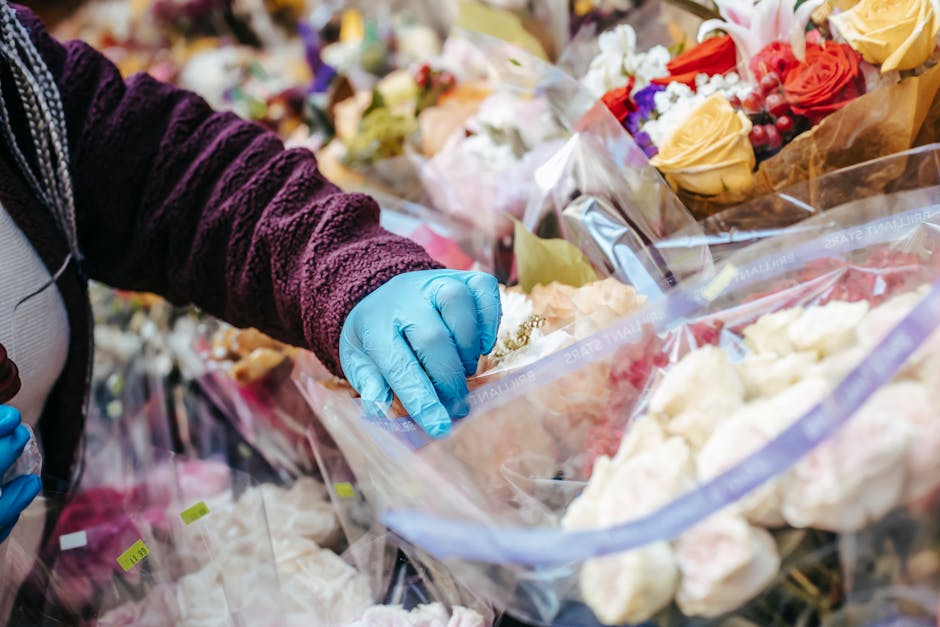
Flower waste seems harmless on the surface. Fresh petals, cut stems, and leaves feel natural, so it is easy to assume any bin will do. In practice, the challenge is that floral waste often comes mixed with other things: cellophane, ribbons, elastic bands, foil, florist foam, plastic trays, water tubes, compostable wrap that is not actually accepted everywhere, and occasional food waste from events. Once mixed, a neat bouquet becomes a disposal puzzle.
For Maida Vale residents and businesses, the main reason this matters is cleanliness. Flower waste left too long can smell, attract insects, leak water, and make communal bin areas look untidy. In shared buildings, that becomes everyone's problem. In a shop or venue, it becomes a presentation issue as well as a waste issue. Truth be told, nobody wants to walk past a pile of soggy roses at the end of a nice day.
There is also the environmental side. The better you separate organic material from plastic and mixed packaging, the more likely it is that the waste can be handled sensibly. Even where local collection options are limited, separating flower waste correctly reduces contamination and makes disposal simpler. That is useful whether you are a florist, an event organiser, or just someone cleaning out a vase on a Sunday morning.
One small but important point: rules and collection arrangements can vary depending on the type of property, the waste contractor used, and the exact material mix. So the safest approach is not to guess. Sort first, dispose second.
How Flower waste disposal rules City of Westminster Maida Vale Works
The basic idea is simple: separate the flower matter from the non-organic parts, then place it in the correct waste stream available to your property or business. That may sound obvious, but in real life it takes a little discipline. A bouquet from a delivery is rarely just flowers. It can include florist wrap, tape, card, preserved water packs, and even decorative picks.
In a typical home setting, spent flowers and stems are often treated as general biodegradable waste if you do not have a separate food or garden waste route. If you do have a composting system, some flower waste can go there, provided it is free from non-compostable materials. The big caveat is that not every home compost setup handles thick stems, woody stalks, or florist foam well.
For businesses, especially florists, hotels, event spaces, restaurants, and offices, flower waste is often handled as part of a broader waste management plan. That usually means:
- keeping green waste separate from packaging where possible
- removing plastics, wiring, ties, foam, and decorative fixings
- using the right bin for organic waste, mixed waste, or recycling depending on the material
- making sure staff know what goes where
If you run a florist or regularly send flowers for events, planning matters more than people expect. A busy Saturday can produce more waste than you might think, especially after a wedding or corporate installation. The trick is to prevent one messy bin from becoming three messy bins.
For residents wanting practical flower care before disposal, the local flower care guidance is helpful because good care often means less premature waste in the first place. And if you are handling fresh arrangements regularly, it can help to understand the broader sustainability angle too, because waste reduction starts long before the bin is full.
Key Benefits and Practical Advantages
Following flower waste disposal rules properly is not just about being tidy. There are several practical advantages, and some are surprisingly everyday ones.
- Cleaner shared spaces: Less smell, less leakage, fewer complaints in flats or managed buildings.
- Better recycling quality: When plastic wrap and organic waste are separated, recycling contamination drops.
- Easier housekeeping: One sensible disposal routine is faster than dealing with a mixed, awkward mess later.
- Lower pest risk: Old organic waste can become a magnet for fruit flies and other little nuisances.
- Better presentation for businesses: Clean back-of-house waste handling supports a professional image.
- More sustainable practice: Organic waste is easier to manage when it is not tangled with non-compostable material.
There is also a quiet psychological benefit. Once you know the routine, you stop second-guessing yourself. That sounds small, but it saves time. It saves arguments in shared bins too, which is never a bad thing.
If you work with flowers regularly, selecting the right type of bouquet or arrangement can reduce waste at the source. For example, some customers prefer simpler stems or longer-lasting flowers from options such as best sellers or longer-wearing varieties from the all flowers range, which can mean fewer failed blooms and less disposal churn overall.
Who This Is For and When It Makes Sense
This topic is relevant to more people than you might first think. In Maida Vale, it applies to everyday households, but also to anyone creating or handling floral displays for work or events.
Homeowners and tenants
If you receive birthday flowers, sympathy flowers, or a weekly bouquet, you will eventually need to dispose of stems, leaves, and wrapping. The main concern is simply doing it without contaminating recycling or creating smells in the kitchen.
Florists and delivery businesses
Businesses that handle cut flowers need consistent routines. Waste from packaging, damaged stock, and display refreshes adds up quickly. A clear process is useful, especially when same-day jobs are coming in one after another.
Event organisers and venues
Weddings, receptions, and corporate events can produce a lot of floral waste in a short time. A venue close-out plan should include where flowers go after the event ends, who removes them, and how mixed materials are sorted. Nobody wants to be sweeping petals at 11:30 p.m. with the lights half on.
Offices, hospitality, and managed buildings
Lobbies, meeting rooms, and reception areas often use fresh flowers. Someone has to remove the faded arrangements, rinse containers, and dispose of the waste properly. In shared buildings, good waste handling keeps common areas pleasant for everyone.
For larger or repeat ordering needs, services like corporate accounts can make regular floral supply easier to manage, while flower delivery in Maida Vale helps when you need frequent replacements and want the logistics kept simple.
Step-by-Step Guidance
If you want a straightforward approach, use this sequence. It works well for homes, businesses, and event cleanup.
- Separate the bouquet or arrangement. Remove flowers, stems, leaves, cards, ribbons, cellophane, foam, pins, and any plastic tubes.
- Check what is compostable and what is not. Fresh petals and leaves may be suitable for composting; florist foam and plastic are not.
- Drain excess water. Empty vases carefully so bins do not become soggy and unpleasant.
- Decide the waste stream. Put clean organic material into the appropriate organic waste, composting route, or general waste if no other option exists.
- Bundle loose stems if needed. This keeps them tidy and reduces mess in the bin.
- Keep wrappers separate. Paper may be recyclable if clean, but mixed or coated packaging often is not.
- Dispose promptly. Do not leave flower waste in warm indoor spaces for too long, especially in summer.
A small real-world example: after a wedding breakfast in Maida Vale, the flowers on the tables may still look pretty from across the room, but by late evening they can be dropping petals everywhere. The best approach is to have a clear breakdown plan ready before the music starts. That way the cleanup team is not forced to improvise in the dark, which is never ideal.
If you are sending flowers regularly and want them to arrive in good condition, the delivery choice can reduce waste before it starts. Options like same-day flower delivery Maida Vale W9 or next-day flower delivery Maida Vale W9 can be useful when timing matters and freshness is key.
Expert Tips for Better Results
A lot of waste trouble can be avoided with a few habits that are frankly quite boring, but effective. The boring bits matter.
- Keep a separate "flower only" caddy. Even a small lined container helps staff or household members sort waste cleanly.
- Remove packaging immediately. The longer it sits on stems, the more likely it is to get mixed up and sent to the wrong bin.
- Use a sharp secateur or knife for stems. Cleaner cuts make handling quicker and reduce shredding mess.
- Train everyone the same way. In workplaces, one person's "close enough" quickly becomes everyone's habit.
- Empty water vases before waste collection day. Simple, but it saves drips in bin stores.
- Do not overfill organic bins. Pressed-down waste traps moisture and makes removal harder.
If you manage a building or business, having a display standard for fresh flowers helps too. For example, arrangements sourced from a reliable florist in Maida Vale W9 can often be prepared with easier-to-separate packaging and less unnecessary material. That is a small detail, but over time it makes a difference.
Also, try to think one step ahead. If flowers are for an event, ask: what happens after the event? Who strips the arrangement? Where does the water go? Where do the stems end up? You do not need a grand strategy. Just a decent one.
Common Mistakes to Avoid
The most common errors are not dramatic. They are the kind that happen when people are busy. Still, they create avoidable mess.
- Putting everything in one bin: Flowers, foam, plastic, ribbon, and card all mixed together is the fastest route to contamination.
- Assuming all "green" materials are compostable: Some packaging looks eco-friendly but is not accepted in many waste systems.
- Leaving water in vases: This leads to leakage, smells, and slippery bin areas.
- Throwing florist foam in organic waste: This is a common mistake and a frustrating one because it breaks apart easily.
- Ignoring tied bunches and wires: These can jam sorting and make manual handling unpleasant.
- Not training staff or housemates: One wrong disposal habit repeated a few times becomes a nuisance.
Another subtle mistake is waiting too long. Wilted flowers with damp wrapping are much harder to sort than fresh ones. If you have ever opened a bin lid on a hot afternoon and thought, "well, that was a bad plan," you will know what I mean.
Tools, Resources and Recommendations
You do not need fancy equipment to manage flower waste well. A few simple tools go a long way.
- Separate caddies or tubs: Ideal for strip-down work before waste goes out.
- Secateurs or flower scissors: Useful for cutting stems neatly and making waste easier to bundle.
- Paper bags or lined containers: Helpful when gathering organic waste before final disposal.
- Labels for waste streams: Very useful in offices, hotels, and florist prep rooms.
- Reusable buckets: Better than disposable containers for repeated flower cleanup.
- Compost-friendly liners where appropriate: Only if accepted by your waste route; check carefully.
For people who want to reduce the amount of waste produced in the first place, flower choice matters. Seasonal, longer-lasting, and better cared-for blooms usually hold up longer and create less replacement waste. The guarantees page can also be useful if you are choosing a supplier and want reassurance on service expectations, while delivery information helps when timing and freshness are part of the equation.
If you are comparing options for repeat gifts or household use, browsing ranges such as cheap flowers Maida Vale W9 or luxury flowers may help you choose arrangements that match both budget and the level of waste handling you are comfortable with. Not every occasion needs a grand display, after all.
Law, Compliance, Standards, or Best Practice
When people ask about flower waste disposal rules, they often want a simple legal answer. The honest answer is that the exact requirements depend on the waste type, the property, and the collection arrangements in place. So it is better to speak in terms of best practice and general compliance rather than pretend there is one universal rule for every bouquet in Westminster.
For households, the key expectation is that waste should be placed out in line with the property's normal collection system and local instructions. For businesses, the standards are more demanding. You are generally expected to separate waste sensibly, avoid contamination, and manage commercial waste through suitable arrangements. That usually includes storing waste securely, using the right bins, and making sure staff understand what can and cannot go into each stream.
Three practical compliance principles apply almost everywhere:
- Do not contaminate recycling: Plastic wrap, foam, sticky tape, and mixed materials belong in the correct stream.
- Keep waste contained: Loose petals and damp stems should not be left scattered in shared areas.
- Use suitable collection arrangements: Businesses should make sure their waste handling matches the material type and frequency of disposal.
Best practice also means being careful with special event waste. Weddings, memorials, and corporate functions often include flowers, candles, cards, and decorative extras. If these are not separated at the end, the disposal process becomes slower and less efficient. A calm five-minute sort-out early on saves a lot of fuss later.
For those ordering arrangements for sensitive occasions, the planning needs can be different too. Funeral flowers, for instance, may be handled with more care because they are often part of a ceremony and may need respectful removal afterward. If that is relevant, the funeral flowers Maida Vale W9 page can help with appropriate arrangements for those moments.
Options, Methods, or Comparison Table
There are a few ways flower waste can be handled. The right one depends on how much you produce and what else is mixed in. Here is a practical comparison.
| Method | Best for | Pros | Watch-outs |
|---|---|---|---|
| Home organic waste bin | Small amounts of petals, stems, leaves | Simple, tidy, familiar | Not suitable for mixed packaging or foam |
| Home composting | Clean plant matter | Useful for garden users and low-volume waste | Woody stems and contaminated waste may be unsuitable |
| General waste bin | Mixed or contaminated flower waste | Works when sorting is not possible | Less sustainable; fill levels rise quickly |
| Business waste stream separation | Florists, venues, offices, hospitality | Cleaner process, better compliance, less contamination | Needs staff training and bin discipline |
| Event clean-down plan | Weddings, conferences, functions | Fast removal, better presentation, less chaos | Requires preparation and clear responsibility |
If you are deciding between methods, ask one simple question: is the waste clean and separated, or is it mixed? That one answer changes the best route more often than people expect.
Case Study or Real-World Example
A small Maida Vale office I worked with had a weekly vase arrangement in the reception area. Nice flowers, good smell, very good first impression. The problem was what happened after the blooms faded. One person would remove the flowers and leave the damp stems in the kitchen bin. Another would throw the whole thing away, wrapping included. A third would rinse the vase but leave petals in the sink. Tiny things, but they added up.
The fix was simple. They introduced one small flower-waste tub, added a printed label, and asked whoever changed the vase to strip out packaging before anything went downstairs. Within a couple of weeks, the bin store was cleaner and there were fewer complaints about smell. Nothing flashy. Just a better routine.
The same logic works for homes, but on a smaller scale. If you get regular deliveries, especially from services such as best flower delivery Maida Vale W9 or send flowers Maida Vale W9, a little habit around unpacking and sorting will save you time later. It is one of those tiny domestic wins that feels dull in the moment, but lovely a day later.
Practical Checklist
Use this checklist before you dispose of any flower waste in City of Westminster Maida Vale:
- Remove all plastic wrapping, tape, and ties
- Separate cards, tags, ribbons, and decorative extras
- Pour away vase water safely
- Check whether the flower matter is clean enough for composting or organic waste
- Keep florist foam and mixed packaging out of organic waste
- Use the correct bin for your property or business
- Do not overfill the container
- Store waste neatly until collection
- Train anyone else who handles the flowers
- Dispose promptly, especially in warm weather
Quick expert summary: if the flowers are clean and mostly organic, disposal is usually straightforward. If they are mixed with packaging, foam, or water, slow down and sort first. That one habit prevents most problems.
Conclusion
Flower waste disposal rules City of Westminster Maida Vale are really about one thing: keeping floral waste cleanly separated so it can be handled properly, without making life harder for yourself or anyone else. Once you understand the difference between organic flower material and mixed packaging, the process becomes much easier. A lot of the stress disappears, honestly.
Whether you are clearing a vase at home, managing a florist counter, or closing down an event, the same practical rule applies: strip it back, sort it properly, and dispose of it with a bit of care. It is not glamorous work, but it is part of looking after a place well. And in a neighbourhood like Maida Vale, that quiet attention to detail goes a long way.
If you want help choosing arrangements that are easier to manage, or you need a dependable local flower service for regular orders, you can start with a trusted florist and make the cleanup side simpler from the beginning. Sometimes the best waste strategy is a better purchase decision. Simple as that.
Get a free quote today and see how much you can save.
Frequently Asked Questions
Can I put flower waste in the normal rubbish bin in Maida Vale?
Yes, in many cases you can, especially if the flowers are mixed with non-compostable materials. That said, clean flower matter is often better separated first. If your property has an organic or garden waste route, use that where appropriate.
Are cut flowers recyclable?
Not usually in the same way as paper, glass, or plastic. Fresh flowers themselves are organic waste, not recycling. The packaging around them may be recyclable if it is clean and accepted by your local system.
Can I compost roses and other bouquet flowers at home?
Often yes, if they are free from plastic, ribbon, wire, and treated foam. Woody stems, florist tape, and mixed packaging should be removed first. If in doubt, treat them as general waste rather than risking contamination.
What should I do with florist foam?
Florist foam should not go into compost or organic waste. It is usually best treated as general waste unless you have a specialist disposal route. It breaks apart easily, so try to keep it contained.
Do flower stems count as green waste?
Generally, yes, clean stems and leaves are usually treated as organic or green waste. The problem is not the stem itself; it is the extras attached to it. Once you separate those, disposal becomes much simpler.
What if my bouquet has plastic wrap and ribbon mixed in?
Remove the wrap, ribbon, and any other non-organic items before binning the flowers. If the materials are all stuck together and you cannot separate them cleanly, use the waste stream that best fits the mixed content, usually general waste.
Is it different for shops, florists, or event venues?
Yes. Businesses usually need a more structured waste process, especially if they produce flower waste regularly. Sorting, storage, staff training, and collection planning all matter more in a commercial setting than they do at home.
How do I stop flower waste smelling in a shared bin area?
Drain water from vases, remove organic waste promptly, and keep damp material contained. In warm weather, do not leave faded arrangements sitting indoors for too long. A lidded bin and regular collection help a lot too.
Can old wedding flowers be donated or reused instead of thrown away?
Sometimes, yes. If the flowers are still in good condition, they may be repurposed for smaller arrangements, used again for a follow-on event, or shared with family. Reuse depends on freshness and the condition of the stems.
What is the simplest way to handle flower waste after an event?
Strip all packaging and decorative extras first, separate anything reusable, then sort the floral matter into the right waste stream. For larger events, assign one person to own the cleanup. That one detail makes the process far less chaotic.
Should I rinse vases before putting flower waste out?
Yes, if you can do so safely. Emptying and rinsing vases helps prevent spills, smells, and sticky residue in bins or communal areas. Just make sure the water goes somewhere appropriate and does not create a slip hazard.
Where can I find flower options that are easier to dispose of responsibly?
Look for arrangements with less unnecessary packaging and a clear breakdown of the materials used. Seasonal, carefully prepared flowers from a reliable local florist are usually easier to manage than heavily packaged mixed displays. Keeping the whole process simple tends to work best.